Laboratory of Viral Interactomes Networks
We use high-throughput protein interaction technologies to understand how eukaryotic cells function. We perturb cellular context using viral infections and gene knockdown to elucidate potential therapeutic targets — from viral interactomes to cancer therapeutics.
Hosted on a long university path — JCT has to look it up every time he wants to share it.
The person who updated the site left the lab. 2025 and 2026 entries never made it on.
JCT searches PubMed himself and emails relevant papers to collaborators one at a time.
Breaks on mobile. No visual hierarchy. Sections that look clickable link to nothing.
A short, memorable URL JCT can share in one line — no more digging through university paths.
Weekly PubMed check → JCT approves in one email → site updates automatically, organised by year.
New articles matched to research themes and sent only to the collaborators who work on that theme.
Dark, card-based layout built to make the lab's work look as current as the research itself.
Each theme is a distinct research line in the lab, connected by a shared method: mapping protein interactions to find where disease pathways can be disrupted.
Since HTLV-1's discovery in 1979, we've studied how its Tax-1 and HBZ proteins hijack host signalling pathways — work that underpins our understanding of ATL pathogenesis.
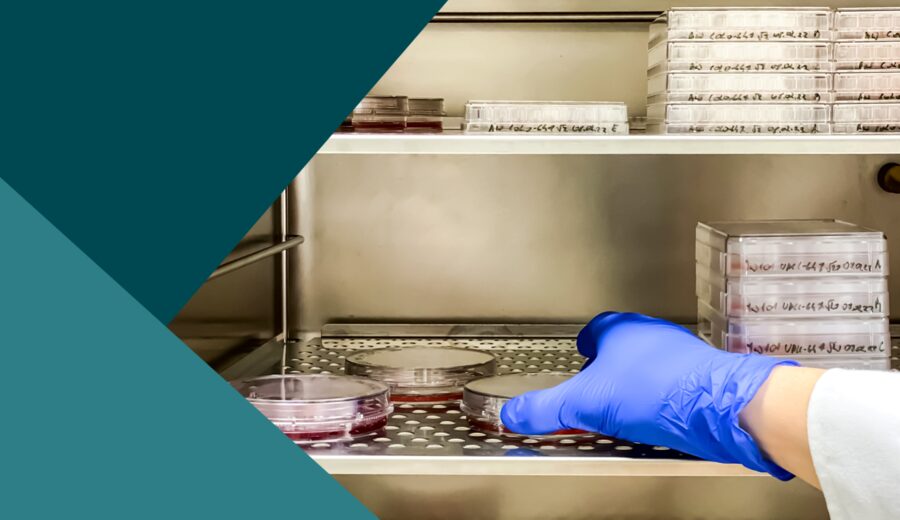
The endoplasmic reticulum is a dynamic network central to viral trafficking, protein synthesis, and calcium storage. We study how ER-resident glycosyltransferases shape its structure and stability.
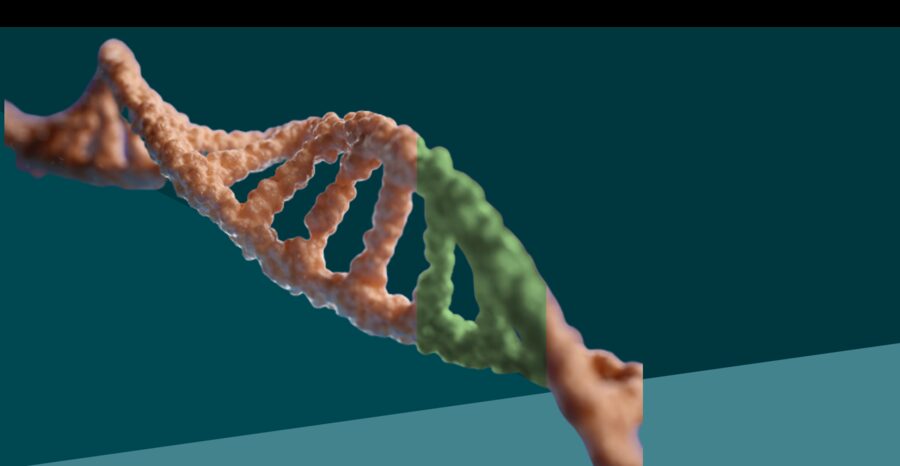
High-throughput screening to identify inhibitors of protein-protein interactions for cancer immunotherapy — including novel allosteric inhibitors of mutant JAK2 and oncolytic virus candidates.
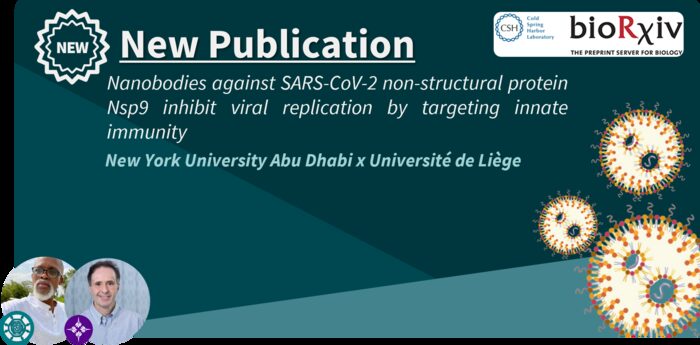
Pulled automatically from PubMed, organised by year — JCT approves each batch before it goes live.
A nanobody pipeline targeting conserved viral proteins made after host-cell entry, encapsulated as mRNA in lipid nanoparticles — shown to suppress multiple SARS-CoV-2 variants in 3D reconstituted human lung epithelium.
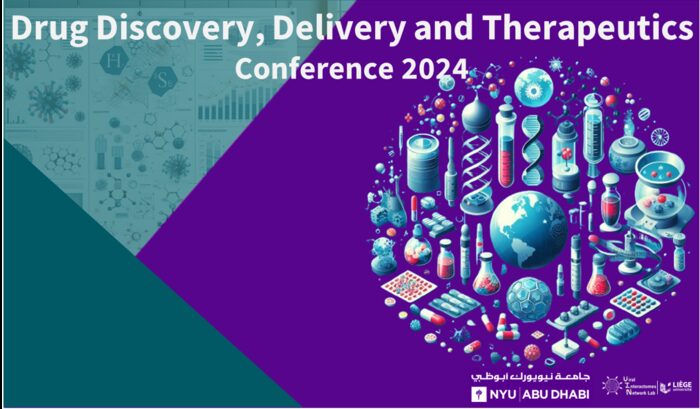
In collaboration with New York University Abu Dhabi, the team demonstrated that nanoparticles can block SARS-CoV-2 replication in a 3D lung epithelium model — supporting nanoparticle technology as a treatment avenue.
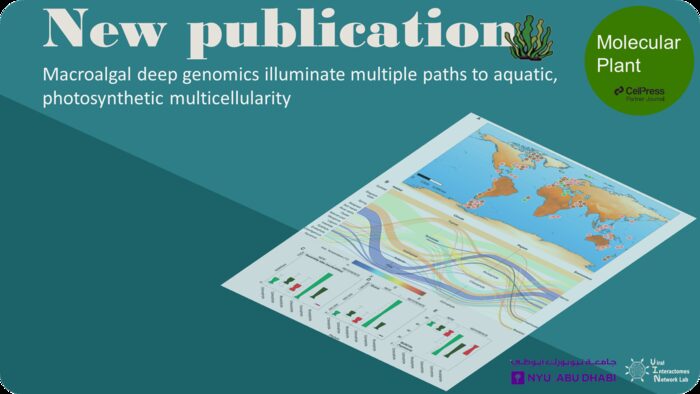
With the Algal Systems and Synthetic Biology lab at NYU Abu Dhabi, contributing new understanding of macroalgae genetic evolution and morphological diversity.
The team behind the lab — PI, senior scientists, post-doctorate and PhD researchers.


Auto-populated daily from PubMed keyword searches, matched to the theme it belongs to.
Each research theme routes new publications to the collaborators assigned to it.
Send a message and it'll reach the lab's research assistant, or book time directly with the team.